
A practical kindergarten readiness checklist covering the skills that truly matter, the ones that don't and everyday activities to build them.
As the start of school approaches, many parents begin to wonder whether their child is really ready. Should they already be reading? Writing their name perfectly? Counting to a hundred? Online checklists can make it feel as if children need to master a long list of academic skills before their first day.
In reality, the skills that matter most for a smooth start are often less about worksheets and more about independence, confidence and getting along with others. This guide walks through what kindergarten readiness really looks like, which skills matter less than you might think and how families and educators can build readiness through everyday play.
What "ready" really means
Kindergarten readiness is not a test a child passes or fails. It is a broad picture of how a child is developing across several areas: looking after themselves, managing feelings, communicating, getting along with others and showing curiosity about learning. Children develop at different rates, and it is normal for a child to be strong in some areas and still growing in others.
Teachers do not expect children to arrive knowing everything. They expect to teach. What helps most is a child who feels secure, can follow simple routines and is eager to try.
Independence and self-care
Being able to manage simple tasks gives children confidence and frees teachers to focus on learning. Helpful skills include:
- Using the toilet independently and washing hands.
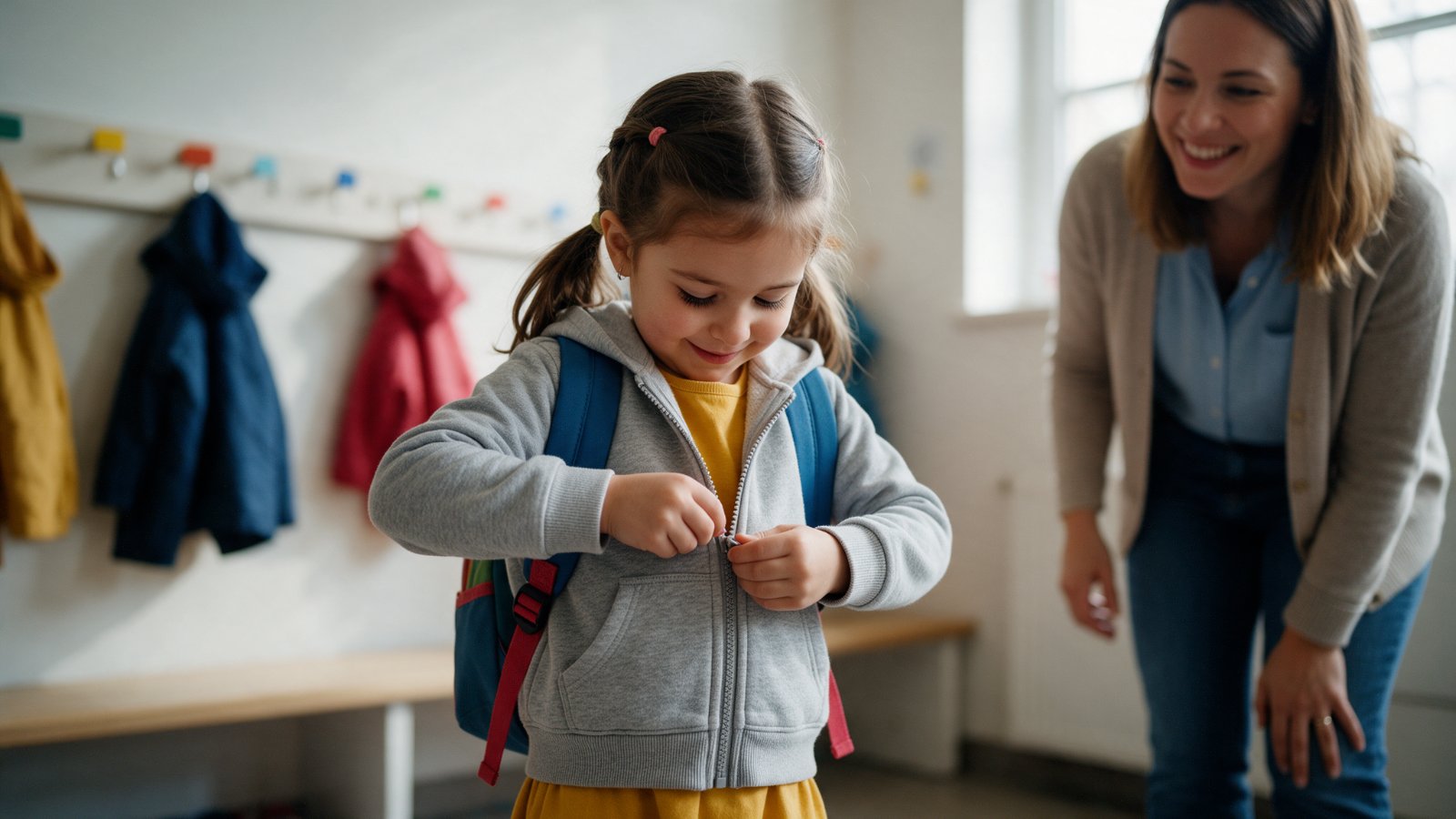
- Putting on a coat and shoes, even if fastenings still need a little help.
- Opening a lunch box or snack container and eating without much assistance.
- Recognising and looking after their own belongings.
- Asking an adult for help when they need it.
Build it at home: give your child time to dress themselves, let them pack their own bag and practice opening containers they will use at school.
Social and emotional skills
Many teachers say these are the most important readiness skills of all. They include:
- Separating from parents without prolonged distress.
- Taking turns, sharing and playing cooperatively with other children.
- Naming feelings and beginning to calm down with support.
- Following simple rules and routines.
- Coping with small frustrations and trying again.
Build it at home: play board games that involve waiting for a turn, talk about feelings during everyday moments and arrange playdates with other children.
Language and listening
- Speaking clearly enough to be understood by adults outside the family.
- Following instructions with two or more steps, such as "hang up your coat and sit on the carpet".
- Listening to a short story and talking about it.
- Asking and answering simple questions.
- Expressing needs and ideas in words.
Build it at home: read together daily, ask open questions like "What do you think happens next?" and give simple multi-step tasks during routines.
Early literacy and numeracy foundations
These are foundations, not finished skills. Children benefit from:
- Enjoying books and knowing how to hold one and turn pages.
- Recognising some letters, especially those in their own name.
- Noticing rhymes and the beginning sounds of words.
- Counting small groups of objects and understanding "more" and "less".
- Recognising basic shapes and simple patterns.
Build it at home: play "I spy" with sounds, count stairs or fruit together, sort laundry by color and look for letters on signs and packaging.
Fine and gross motor skills
- Fine motor: holding a crayon or pencil, using child-safe scissors, doing simple puzzles and building with small blocks.
- Gross motor: running, jumping, climbing, balancing and throwing or catching a large ball.
Build it at home: play with playdough, thread beads, draw and color, and spend plenty of time playing outdoors.
What matters less than you might think
Some skills often appear on checklists but are not essential before school starts:
- Reading fluently. Learning to read is a key part of the early school years. Interest in books and stories matters far more than reading ahead.
- Writing full sentences or perfect handwriting. Holding a pencil comfortably and trying to write their name is plenty.
- Counting very high or doing sums. Understanding small quantities is a stronger foundation than reciting long number sequences.
- Sitting still for long periods. Young children learn through movement and play, and classrooms are designed with that in mind.
Pushing academic skills too early can take the joy out of learning. Curiosity, confidence and a love of stories will carry a child much further.
What if your child does not seem ready?
If you are unsure, start by talking with your child's educators. They see your child in a group setting every day and can share where your child is confident and where they might need a little more support. Together you can plan simple activities to build specific skills over the coming months.
If you have concerns about development, such as speech, movement, attention or social interaction, speak with your pediatrician, who can advise whether a specialist assessment would be helpful. Remember that some children simply need more time, and that is normal.
Using observations to guide readiness conversations
Readiness conversations are much easier when they are based on real observations rather than impressions. With the kidsday AI Development Report, educators record observations during the day, and kidsday turns them into status, monthly and semester reports that show each child's progress, highlight areas where a child may be lagging and suggest activities to support them. Sharing these reports with parents gives families a clear, balanced picture and practical ideas to work on together before the big transition.
Final thoughts
Kindergarten readiness is about the whole child, not a checklist of academic tricks. A child who can manage simple self-care, get along with others, listen and communicate, and approach new things with curiosity is well prepared to learn. Keep it playful, celebrate small steps and stay in close contact with your child's educators. With warmth and encouragement at home and at daycare, your child can step into school feeling confident and excited.