
12 easy, child-made keepsake gifts by age, a realistic plan for the team, and tips to keep the activity safe, calm and inclusive for every family.
As the end of the year approaches, many daycare and preschool teams want to send each child home with a small handmade gift for their family. Parents treasure these keepsakes for years: a tiny handprint, a first scribble, a photo in a homemade frame. But with a room full of toddlers, limited time and families who celebrate different holidays, the idea can quickly turn stressful.
The best holiday gifts from children are simple, safe and genuinely made by the children, not by tired educators the night before. This guide gives you 12 easy keepsake ideas by age, a realistic plan for making them, and tips to keep the activity inclusive, calm and fun.
In short
12 easy, child-made keepsake gifts by age, a realistic plan for the team, and tips to keep the activity safe, calm and inclusive for every family.
What makes a good gift from little children
- Child-made: the child's own handprint, painting or marks matter more than a perfect result.
- Simple: one or two steps per child, done in small groups over a few days.
- Safe: non-toxic, washable paints and child-safe materials; no small loose parts for children under three.
- Inclusive: works for families whatever they celebrate, with a neutral message such as "Happy holidays" or "Made with love".
- Affordable: uses materials you already have or can buy in bulk cheaply.
12 keepsake gift ideas by age
Babies (under 12 months)
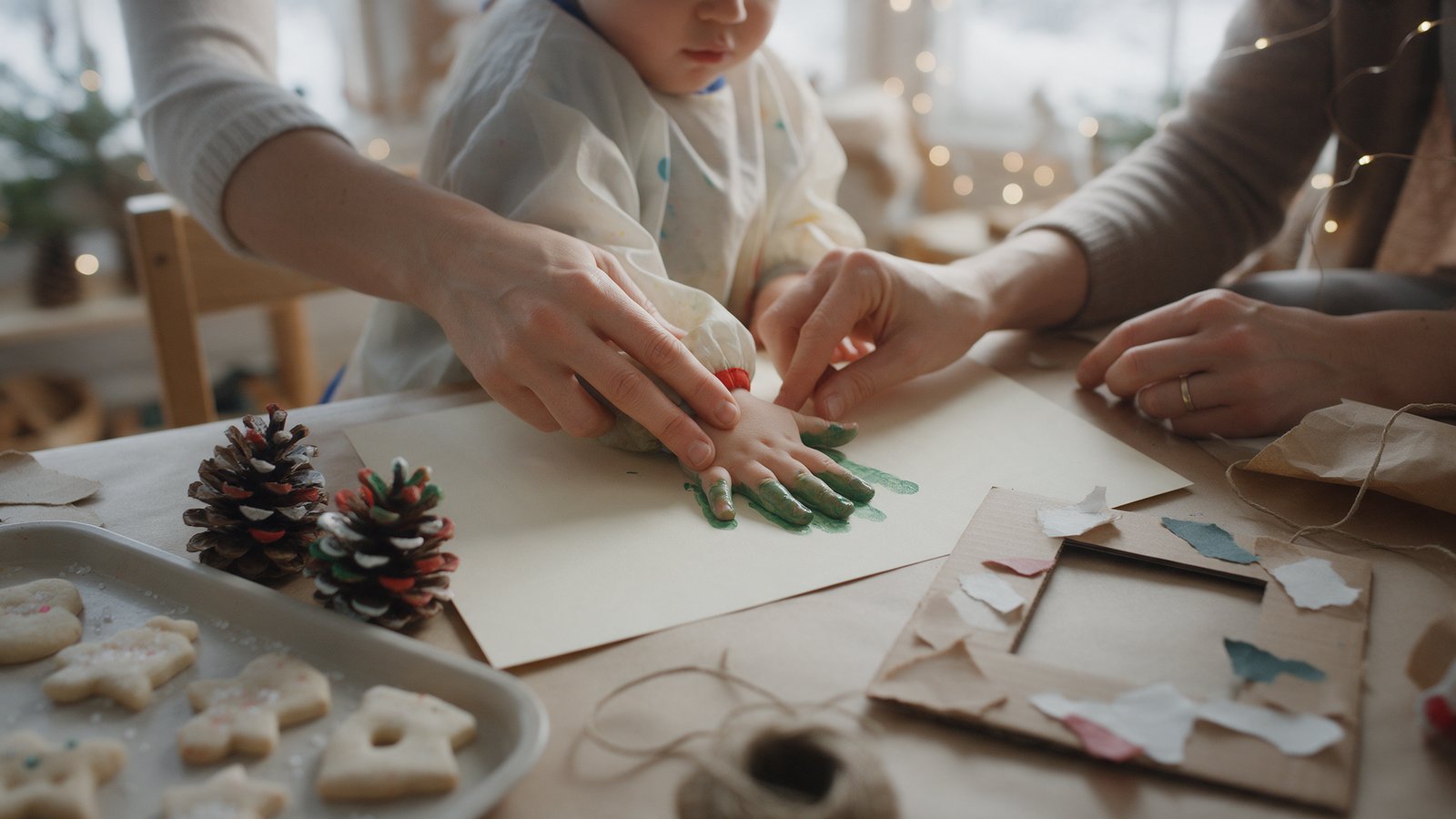
- Handprint or footprint card: a single print in washable paint on thick card, with the child's name and the year added by an educator.
- Photo card: a cheerful photo of the baby at play, glued onto a card the baby has "decorated" with a few finger dots.
- Sensory painting: paint inside a sealed zip bag on top of paper so the baby can squish colors around; the finished paper becomes wrapping paper or a card.
Toddlers (1–3 years)
- Handprint tree or wreath: handprints in green arranged as a tree or circle, with fingerprint "decorations".
- Salt dough or clay handprint ornament: educators prepare and bake the dough; children press their hand and help paint it once dry.
- Painted pine cone: large pine cones painted with thick brushes and dusted with a little child-safe glitter alternative such as colored paper confetti.
- Collage frame: a cardboard frame the child covers with torn paper and stickers, with a class photo inside.
- Scribble wrapping paper: a long roll of paper the group decorates together with crayons and stamps, then cut into sheets for each family.
Preschoolers (3–5 years)
- "All about me" booklet: three or four pages with a self-portrait, favorite food and favorite game, with the child's words written down by an educator.
- Decorated plant pot: a small pot the child paints, filled with soil and an easy plant or bulb.
- Bookmark or fridge magnet: a laminated drawing or photo, cut to shape, with a magnet strip added by an adult.
- Homemade card with a message: the child draws and dictates a short message ("I love when we bake together"), which an educator writes inside.
A simple plan for the team
- Four to five weeks before: choose one gift per age group, check what materials you have and order the rest.
- Three weeks before: ask families about any allergies to materials such as dough, paints or certain plants, and check whose family celebrates what so nobody feels left out.
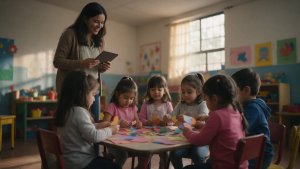
- Two to three weeks before: make the gifts in small groups of two to four children during free play, never as a long whole-class session.
- One week before: let paint and dough dry fully, add names and the year, and wrap.
- Last days: send gifts home, ideally with a photo of the child making it.
Tips for a calm, inclusive activity
- Follow the child's interest. If a toddler doesn't want to make a handprint today, try tomorrow or offer a scribble instead.
- Protect clothes with smocks and keep wipes ready; tell families in advance that paint days are coming.
- Keep the result honest: resist "fixing" children's work. Families want their child's marks, not an adult's.
- Use neutral wording and colors so the gift suits every family, and offer the same gift to children who don't celebrate a particular holiday, framed as an end-of-year keepsake.
- Plan for absent children: keep a few extra blanks so a child who was sick can make theirs later.
- Keep it small. One meaningful gift is better than several rushed ones.
Safety checklist
- Use only non-toxic, washable materials labeled for young children.
- No beads, buttons, googly eyes or other small parts for children under three, and close supervision for older children.
- Check plants are non-toxic before sending them home.
- Salt dough is very salty: supervise so children don't eat it, and keep it away from children with relevant allergies.
- Educators handle ovens, laminators, hot glue and scissors.
Share the moment with families
kidsday
Parents love seeing the making as much as the gift itself. With kidsday, educators can share photos and short notes through the parent app's daily updates, so families see their child pressing a handprint or painting a pine cone the same day. Messaging between parents and the center makes it easy to ask about allergies or holiday traditions beforehand, and you can include the craft sessions when you plan the week with the AI Lesson Planner.
Final thoughts
A child's handprint on a piece of card can become a family's favorite decoration for years. Keep the gifts simple, safe and truly child-made, spread the work over a few calm weeks, and choose ideas that welcome every family. The real gift is the moment you capture, and the message that their child is known and loved at your center.