
“Nap time is not just rest; it’s a bridge between learning and emotional growth.”
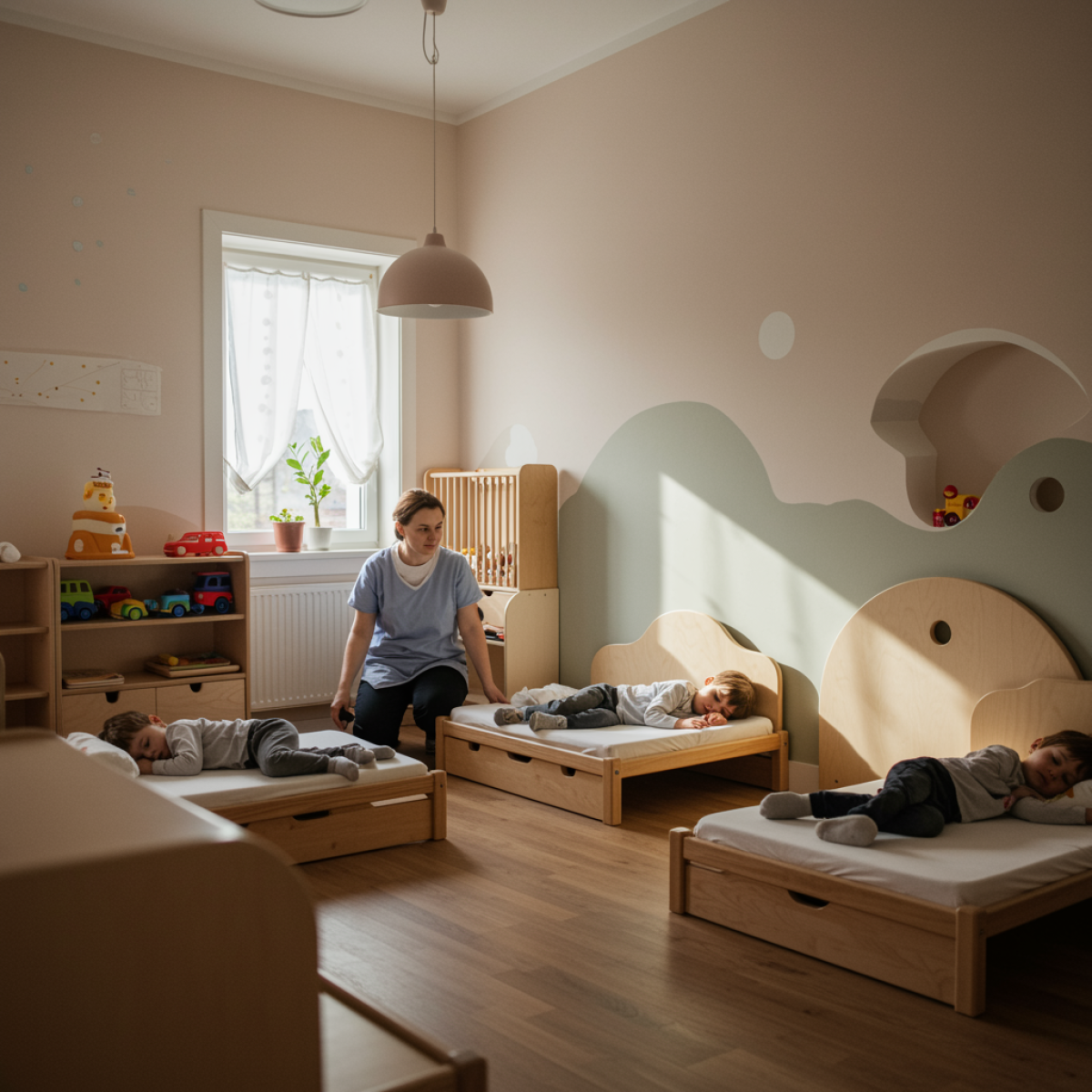
Nap and rest time in preschool is one of the most challenging moments of the day for educators, yet also one of the most important for children’s healthy development. Many children find it difficult to lie down, calm their bodies, and disconnect from playtime, especially when their sleep routine at home differs from the one at the preschool.
With a consistent approach, thoughtful communication, and strong parental involvement, nap time can become a calm, educational, and emotionally safe experience for every child.
Why Is Daytime Sleep/Nap So Important?
Daytime rest helps children:
-
restore physical and mental energy,
-
regulate emotions and behavior,
-
improve focus and learning,
-
feel calmer and more secure throughout the day.
Without adequate rest, children may become overtired, irritable, and less cooperative. This is why establishing a healthy nap routine in preschool is essential.
How Can We Help Children Rest More Easily?
1. Consistent and predictable routines
Children feel safer when they know what comes next. Repeating the same routine every day—hand washing, dimmed lights, soft music, or reading a story, helps them prepare emotionally for rest.
2. A calm and emotionally supportive environment
The educator’s tone of voice, gentle lighting, and a peaceful atmosphere play a key role. Children respond positively to calmness.
3. Reading during rest time
Reading a short story before or during nap time is a powerful calming tool. Stories reduce anxiety, stimulate imagination, and create a positive emotional connection with rest.
The Importance of Parent Communication
One of the biggest challenges in preschools is the lack of continuity between home and school. When parents are informed about their child’s day, children feel understood and emotionally secure.
How kidsday Supports Nap Time and Parent Involvement
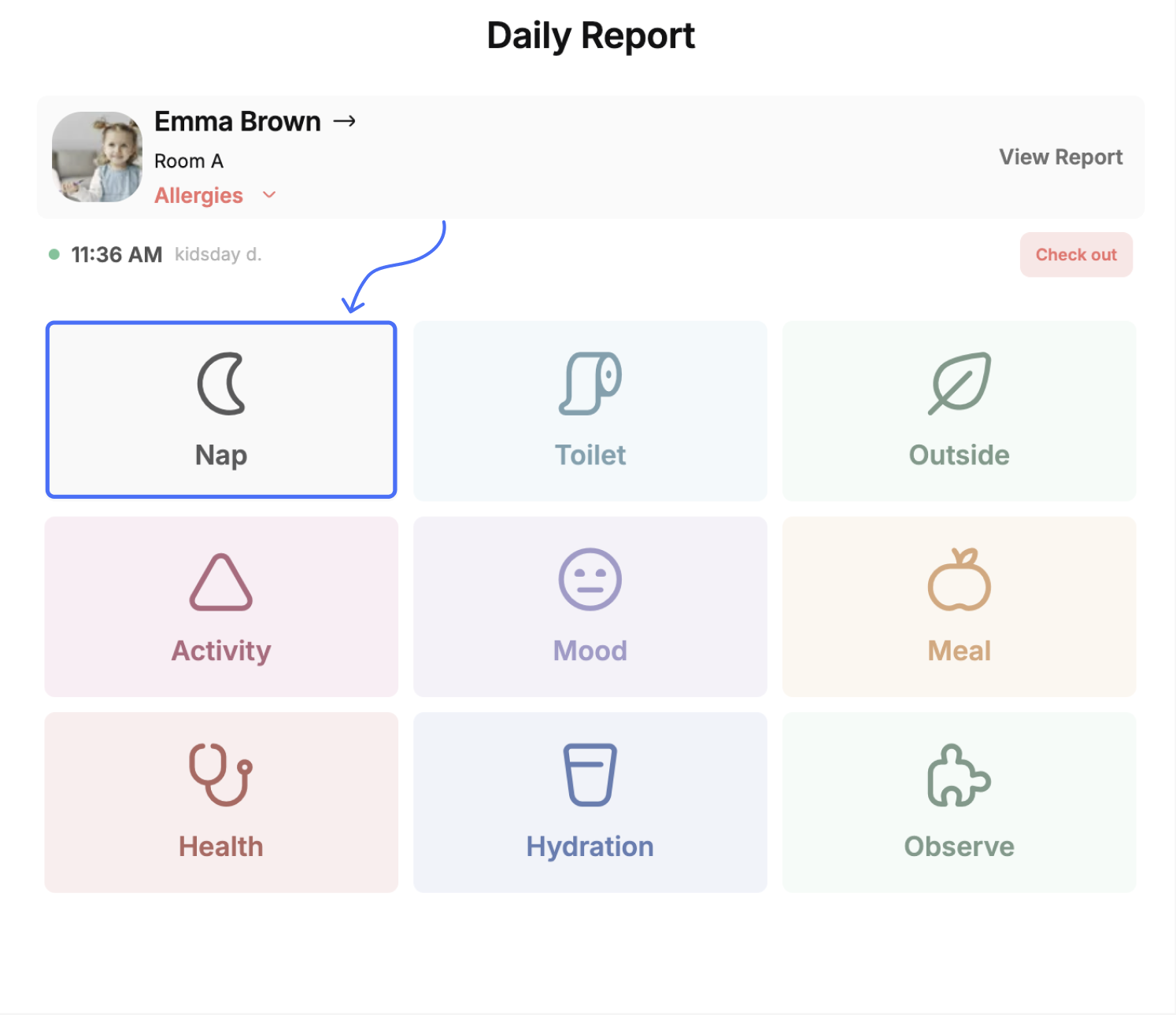
The kidsday app includes a dedicated section for reporting nap and rest time, where educators can record:
-
how long the child rested,
-
whether the child slept or simply relaxed,
-
additional details that make the report meaningful for parents.
Educators can also attach valuable insights, such as:
-
the title of the book read during rest time,
-
a short excerpt or key message from the story,
-
observations about the child’s response.
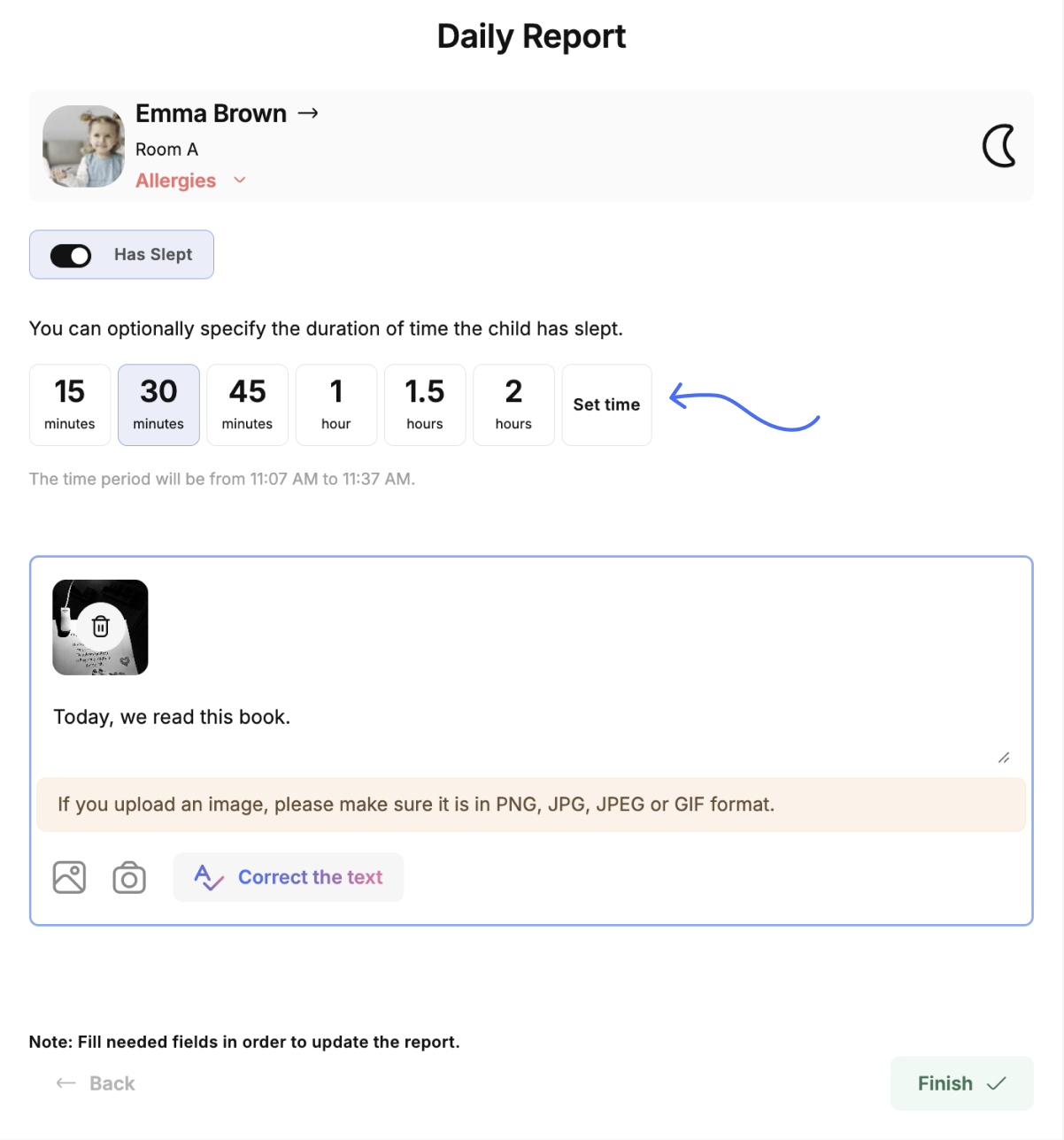
This gives parents a real picture of their child’s day, not just basic data.
Encouraging Parent–Child Conversations
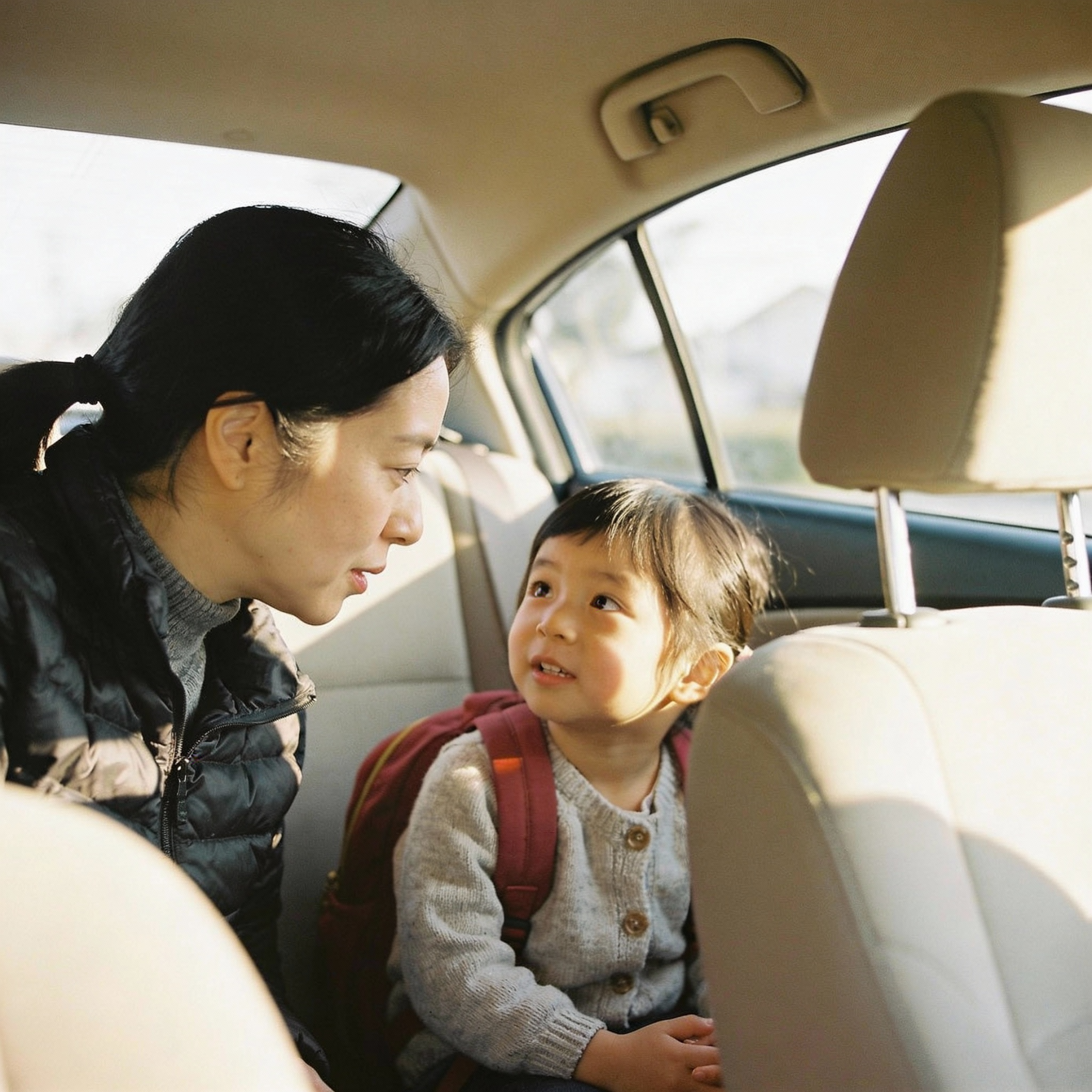
When parents see that a specific book was read during nap time, they can continue the conversation they can continue the conversation after picking up the child from daycare or at home:
“I saw that you read this book during rest time today. What did you like most?”
These simple questions help children feel that their parents are involved, attentive, and emotionally present in their daily preschool experience.
Nap time in preschool is more than a physical break, it is a vital part of children’s emotional well-being and development. With consistent routines, caring educators, and transparent communication with parents, this daily challenge can become a positive shared experience.
Digital solutions like kidsday help preschools manage nap time more effectively while strengthening the bridge between preschool and home, for calmer, happier children.