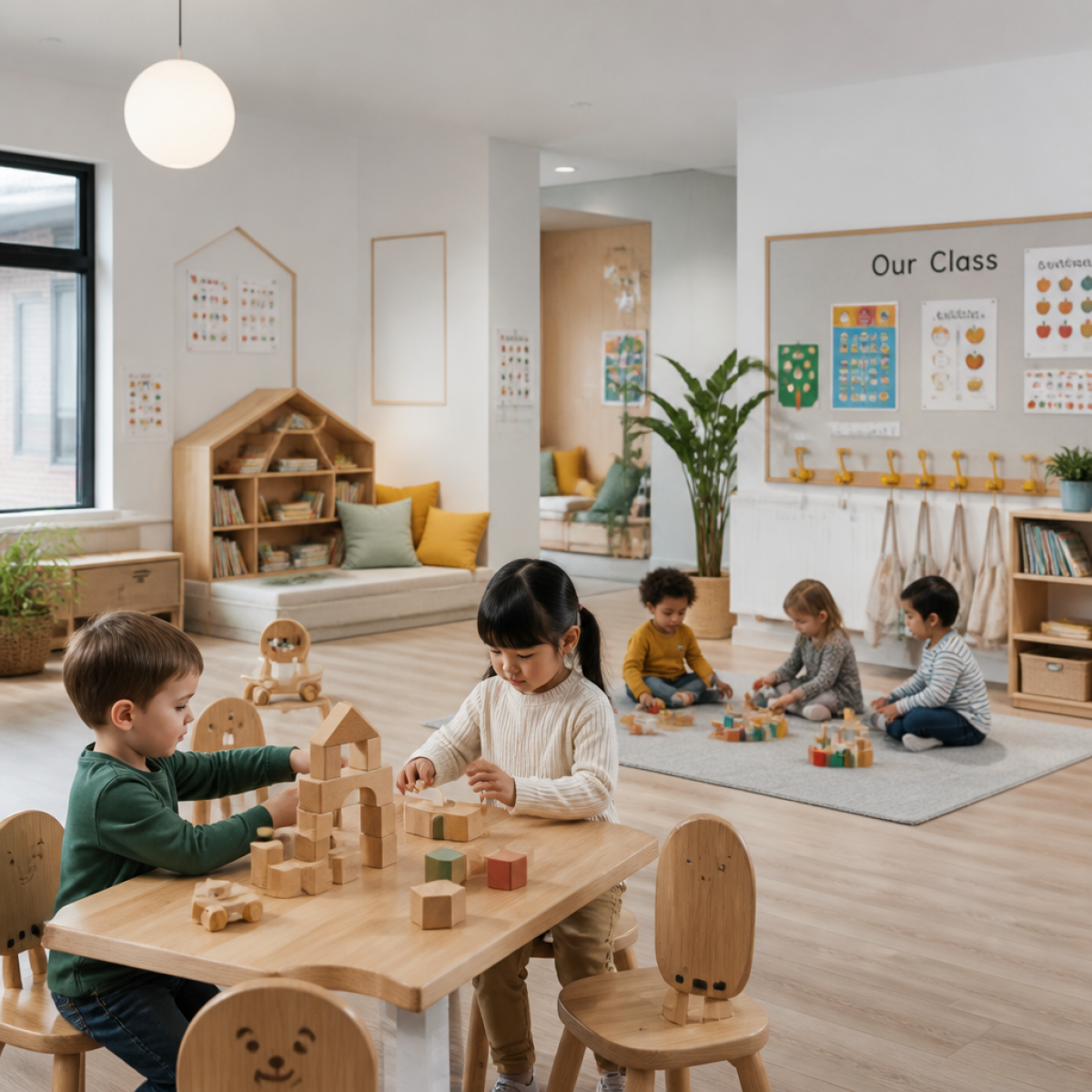
(Spoiler: It’s not letters or numbers!)
As the new school year approaches, many parents find themselves asking a stressful question: “Is my child truly ready for nursery or kindergarten?”
There is a common misconception that "readiness" means knowing colors, reciting the alphabet, or counting to 10. However, from a early childhood development perspective, nursery readiness has nothing to do with academic achievements, it is entirely about socio-emotional skills and functional independence.
Here are the essential skills that will actually help your child thrive during their transition.
1. Self-Care & Independence (Basic Life Skills)
In a Bulgarian nursery setting, teachers and caregivers (gugli) support multiple children simultaneously. The more independent your child is with their basic physical needs, the more confident and secure they will feel.
-
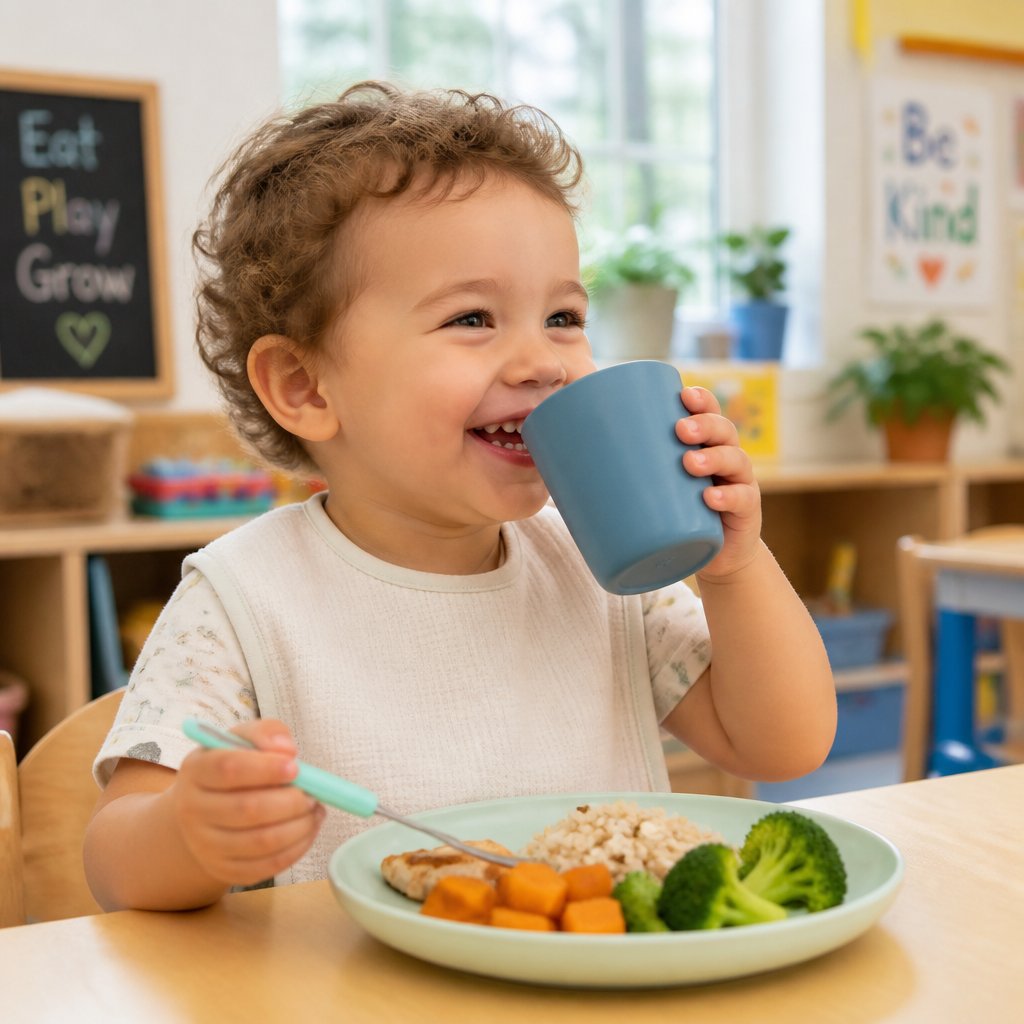
Self-Feeding: Your child doesn't need perfect table etiquette, but they should be able to hold a spoon, feed themselves finger foods, and drink independently from an open cup or training cup.
-
Basic Dressing Skills: Practice simple actions like slipping on shoes with Velcro straps, taking off a coat, or pulling down elastic-waist trousers. Achieving these small tasks gives children a huge sense of empowerment.
-
Communicating Bathroom Needs: If your child is potty trained, they should be able to express when they need to use the toilet, whether through words, simple signs, or gestures.
2. Expressing Feelings and Needs
Your child doesn't need to speak in full, complex sentences, but they do need functional ways to communicate with their new environment.
-
Asking for Help: The ability to tell a teacher "Water" , "Hurt", or "Help" is vital for their emotional safety.
-
Naming Basic Emotions: Help your child identify feelings at home by labeling them: "I see you are feeling frustrated," or "Are you tired?" When children understand what they feel, it becomes much easier for caregivers to soothe them.
3. Social Awareness: Sharing Space and Waiting
Nursery is a child's first mini-society. Unlike at home, where they are often the center of attention, nursery teaches them how to exist as part of a group.
-
Taking Turns (Controlled Frustration): Young children aren't expected to share all their toys selflessly just yet, but they should be exposed to the concept of waiting: "First it's Ivan's turn, then yours."
-
Following Simple Requests: Being able to follow one- or two-step directions, such as: "Please pick up the teddy bear and put it on the table."
4. Adapting to a Structured Daily Routine
Children feel safe when their day is predictable. Bulgarian nurseries follow a strict schedule for meals, outdoor play and afternoon nap time.
-
Aligning Home Schedules: A few weeks before the term starts, adjust your child's home nap and meal schedules to match the typical nursery timetable.
-
Transitions Between Activities: Help your child practice moving from one activity to another without distress (e.g., tidying up toys when playtime ends before moving to dinner).
Expert Tip for Parents:
Replace worksheets and screens with role-playing games at home! Use your child's favorite stuffed animals to play "nursery": pretend the teddy bear is getting dropped off, eating lunch with friends, hugging the teacher, and being picked up by mom or dad at the end of the day. Playful rehearsal is 100% more effective for psychological readiness than any technical skill.

Related Posts

Tuesday, 29 July 2025
Help Your Child Shine, Enroll Them in a Summer Camp They’ll Never Forget!

Monday, 27 May 2024
Transitioning from School Year to Summer Program: Tips for a Smooth and Exciting Experience!

Monday, 23 September 2024
Preparing Your Daycare Center for Fall: Operational Tips for Success!

Thursday, 20 March 2025
Keeping Kids Hydrated: Why Water Intake Matters for Young Learners!
Thursday, 08 May 2025