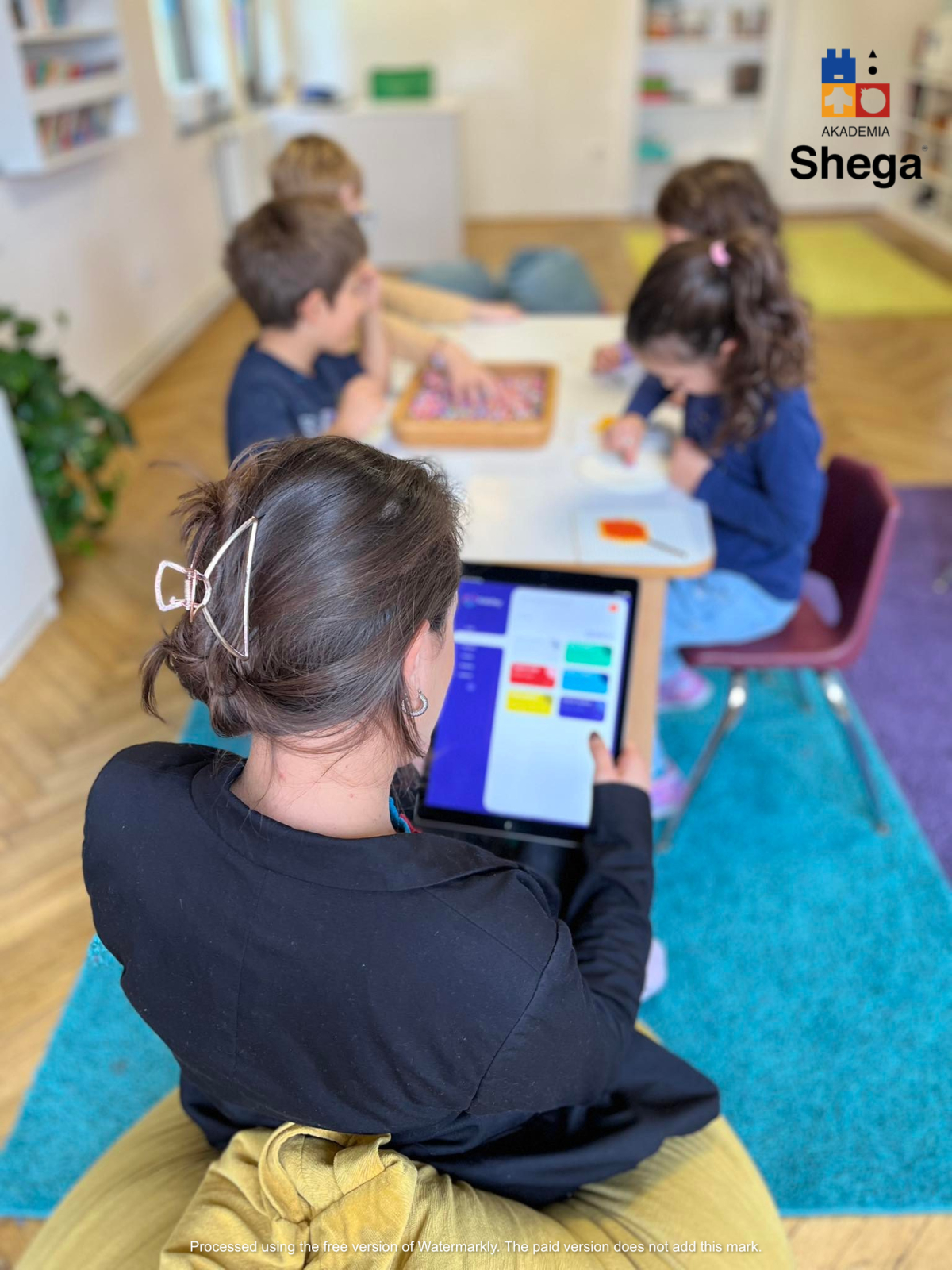
In my first steps, everything was extremely intensive. I was very sensitive and took every situation involving the children close to my heart. I remember the constant stress from high parental expectations; I often thought that my work and dedication were not being properly shown or appreciated.
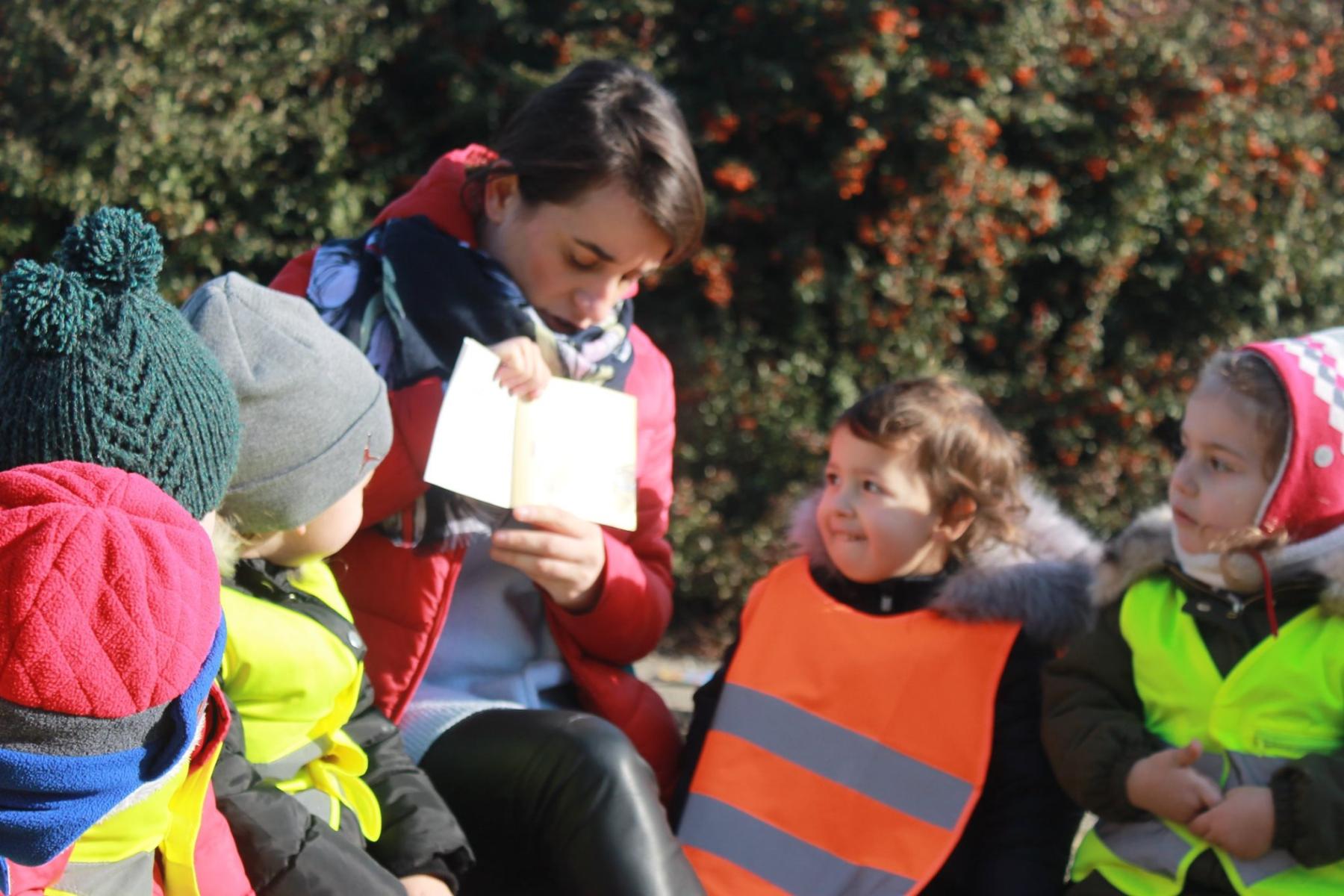
However, time taught me a valuable lesson: Trust is not given; it is built. Over time, that initial anxiety was replaced by extraordinary appreciation. Parents gained full confidence in me, and my work began to be valued in ways I hadn't imagined at the start.
Five years later... Today, although I am no longer active in the role of a classroom educator, I see that period as the "foundation" of my professional stability.
Why do we need new challenges? Research shows that the period between the 3rd and 5th year is the "turning point." According to studies on Teacher Retention (Ingersoll, 2012), about 40-50% of educators leave the profession at this stage if they do not find new incentives.
-
The Need for Autonomy: According to Self-Determination Theory (Deci & Ryan, 2000), to avoid a drop in motivation, an educator must take on new responsibilities.
-
My Recommendation: When an educator reaches this maturity, it is time for the institution to offer them new responsibilities. Giving them a role in organizing school materials, the curriculum, or promoting them to a position where their opinion matters for the center's well-being is vital. The most professional question a manager can ask is: "Which task would be most attractive to you now?"
"Reset" after work: How to protect ourselves? Working with children requires a high level of "emotional labor." For all colleagues who are still on the front lines, and to avoid what science calls Compassion Fatigue (Figley, 2002), I recommend:
-
Physical activities (Yoga/Pilates/Walking): Essential for lowering cortisol (the stress hormone) that accumulates from chronic noise and high responsibility.
-
Coffee with "Therapy-People": This is my favorite point. Go out for coffee with that friend or person who understands you without saying much. Surround yourself with people who recharge your batteries, who make you laugh, and who ask nothing of you. Sometimes, a simple conversation outside the kindergarten walls is the best therapy that exists.

Five years of experience is a precious asset. Do not let yourself stagnate. Seek challenges that make you grow, because an educator who takes care of herself and evolves is the greatest gift for any child!

Σχετικές Δημοσιεύσεις

Monday, 08 April 2024
Fostering Toy Sharing in Kindergarten Classrooms!

Wednesday, 05 March 2025
Simplifying Childcare Administration with Digital Tools!

Friday, 25 July 2025
Digital Communication in Daycare: Why Today’s Parents Expect It!

Thursday, 27 March 2025
🌼 5 Educational Outdoor Activities for Children During Spring

Monday, 22 July 2024