
“A tidy environment, a calm mind.”
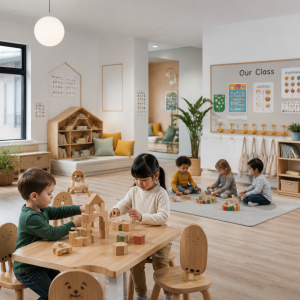
In early childhood education, the way materials are organized plays a key role in the flow of activities and in children’s engagement. A well-prepared environment supports not only the educator but also helps children feel calmer, more independent, and more focused.
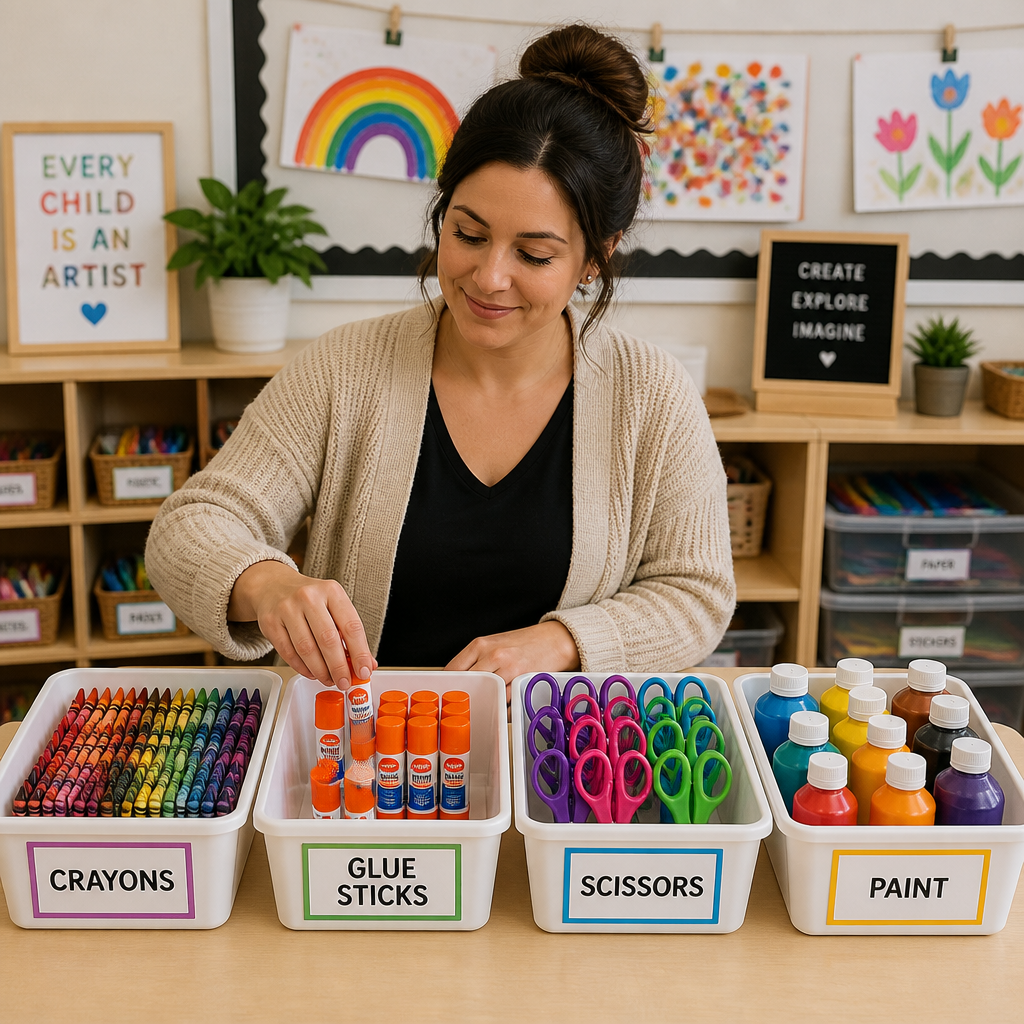
Often, during creative or hands-on activities, the challenge is not the activity itself, but the management of materials: lack of organization, waiting time, clutter, or children losing focus. For this reason, preparation before the activity is one of the most important steps for success.
When materials are arranged and ready before the activity starts, children can concentrate better. They feel more confident to explore and work independently. A structured environment also reduces stress and creates a calmer classroom atmosphere.
Why is material management important?
Good management of materials:
- Helps children maintain focus and engagement.
- Reduces confusion and interruptions during activities.
- Encourages independence and responsibility.
- Saves time for the educator.
- Creates a safer and more functional learning environment.
Children learn better when they have clear and organized access to materials. They feel like active participants rather than passive observers.
Practical strategies for organizing materials
1. Preparation before the activity
Before starting, the educator should ensure that all materials are ready and organized according to the activity needs. This prevents interruptions and keeps the learning flow smooth.
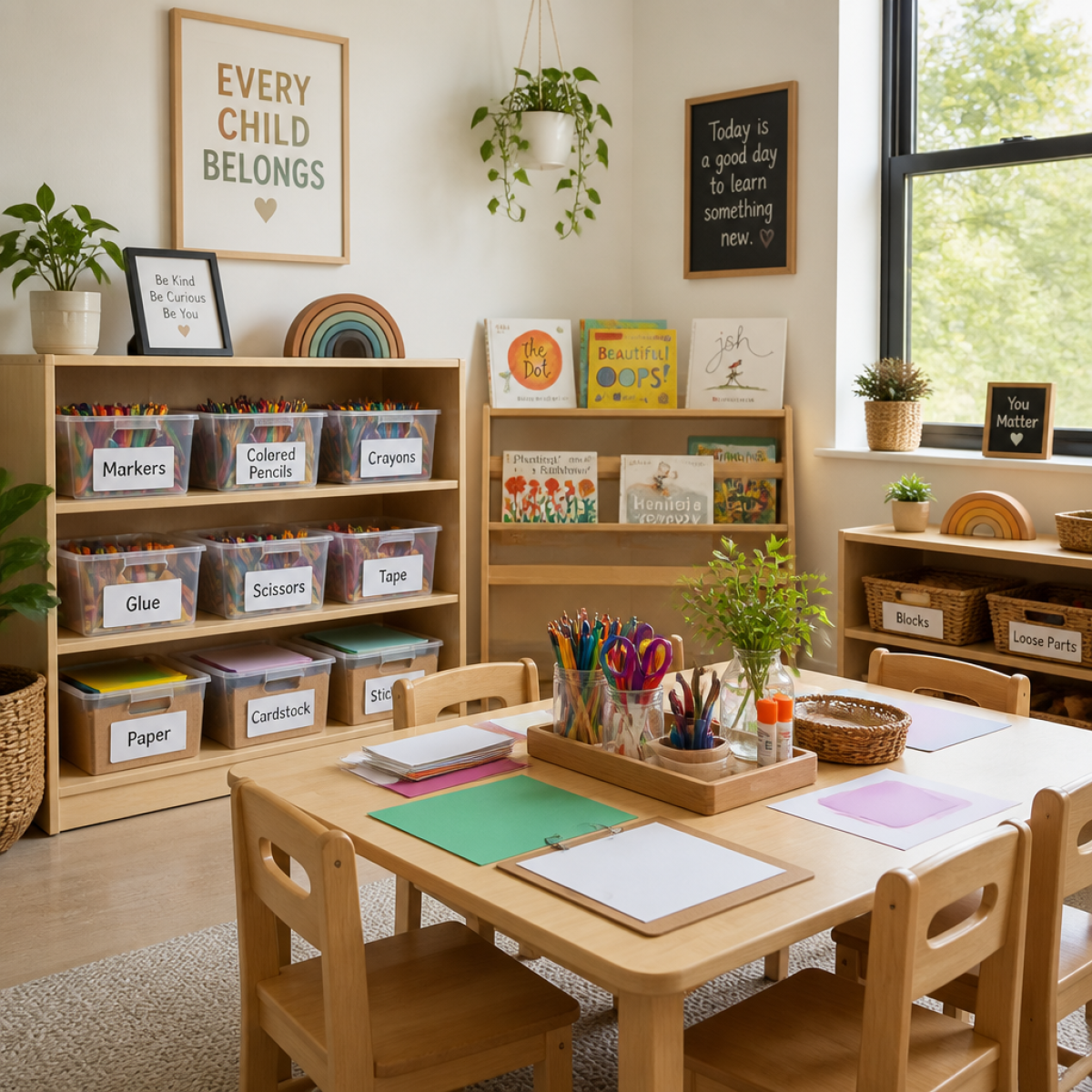
2. Using labeled boxes and baskets
Materials can be sorted into different containers based on their purpose, for example:
- Colors and pencils in one place.
- Natural materials in another basket.
- Scissors, glue, and paper separated into different groups.
This helps children easily identify and access what they need.
3. Child-accessible materials
When materials are placed within children’s reach, they develop independence. They learn to take what they need and return it after use, building responsibility and order habits.
4. Involving children in organization
After the activity, children can help clean up and organize materials. This supports the development of:
- responsibility,
- care for the environment,
- organizational skills,
- teamwork.
When organization becomes part of the routine, children begin to see it as a natural part of the learning process.
The environment shapes learning
A well-organized environment directly influences how children play, explore, and learn. Less clutter means more clarity, and more clarity creates more space for creativity and concentration.
Ultimately, managing materials is not just about physical organization. It is about creating an environment where children feel safe, included, and motivated to learn.